Material Cases - Real solutions. Proven results.

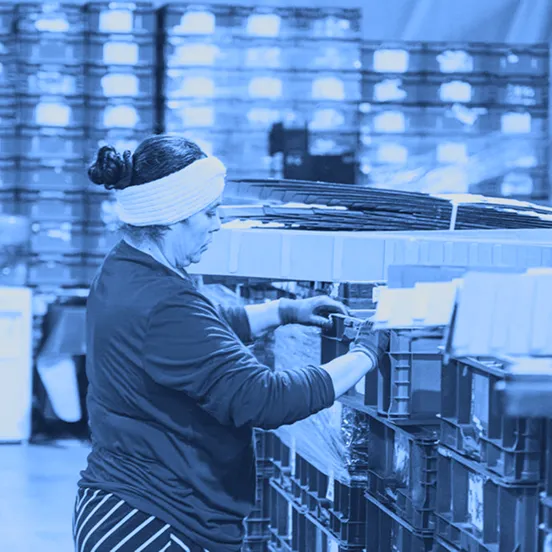
Automotive Tier-1 Supplier+ Plastic Dunnage Reuse
The Challenge
An automotive Tier-1 supplier was experiencing quality defects and line-side failures caused by contaminated plastic dunnage returning from production. Oil, debris, and residue trapped in reusable totes were leading to part contamination, while manual cleaning methods were inconsistent, labor-intensive, and difficult to scale. These issues increased defect rates, drove up hidden labor costs, and disrupted production flow. The customer needed a reliable way to clean and reuse dunnage without adding operational burden.
Our Solution
Phoenix Material implemented an automated dunnage washing system designed to standardize and control the cleaning process. The system incorporated heated wash and rinse cycles, a repeatable workflow, and integrated quality inspection to ensure totes met cleanliness requirements before reuse. By replacing manual cleaning with a controlled, automated process, Phoenix removed variability and reduced dependence on labor while improving consistency. The solution was engineered to support high-volume reuse programs aligned with automotive production demands.
The Results
The automated system reduced defects tied to dirty dunnage by approximately 40 percent, directly improving product quality. Labor requirements were reduced by the equivalent of two full-time employees, freeing resources for higher-value work. The investment delivered a 14-month payback period while stabilizing dunnage reuse across the operation. Clean, consistent returnable packaging eliminated downstream quality issues and lowered long-term operational costs.
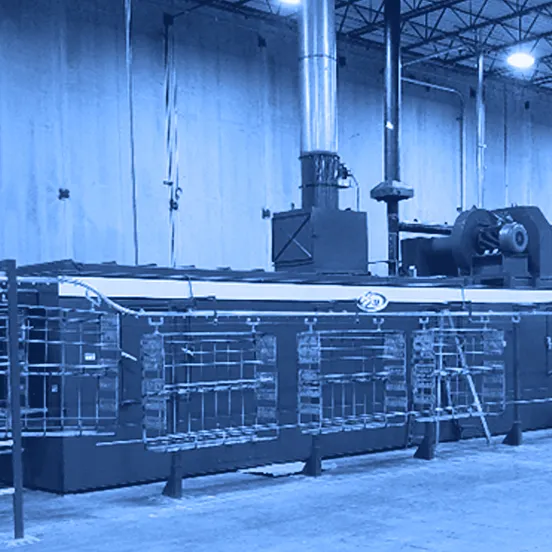
Heavy Equipment Manufacturer+ Steel Rack Reuse
The Challenge
A heavy equipment manufacturer was experiencing oil buildup on steel dunnage racks used throughout its production environment. The contamination created slip hazards on the plant floor, increased corrosion risk on the racks, and raised safety concerns during handling. Manual degreasing methods were hazardous for workers, inconsistent in results, and difficult to sustain at scale. The customer needed a safer, more reliable way to clean and reuse steel racks without disrupting operations.
Our Solution
Phoenix Material installed a stand-alone, high-pressure steel rack washing system to eliminate manual cleaning and standardize the degreasing process. The solution included scheduled quarterly degreasing with a rust-inhibitor rinse to protect rack surfaces and extend asset life. Washing was integrated into the customer’s preventative maintenance schedule to ensure consistency and long-term sustainability. This approach removed safety risks while creating a predictable, repeatable cleaning program.
The Results
Routine rack washing reduced slip incidents by approximately 50 percent, improving plant safety. The cleaned and protected racks achieved an additional two years of usable service life, reducing replacement costs. Improved cleanliness and asset condition also contributed to stronger customer audit scores. Overall, the program enhanced safety, extended dunnage longevity, and improved perceptions of operational control.
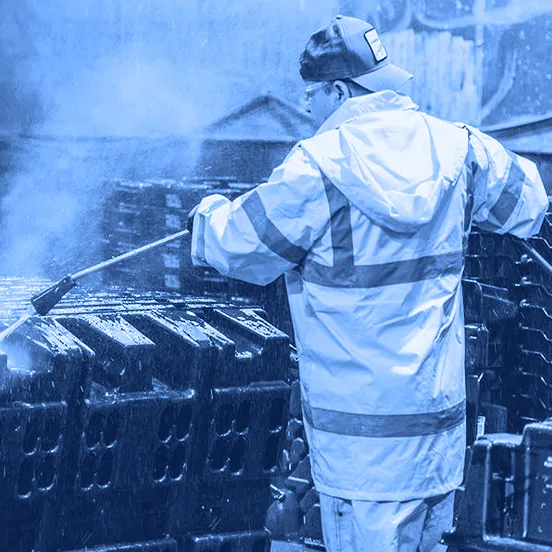
Automotive Plant+ Material Repack
The Challenge
An automotive plant was receiving parts shipped in cardboard boxes that created inefficiencies at the line side. Small pack sizes required frequent reordering, slowing production and increasing material handling activity. At the same time, the operation was generating high disposal costs due to excessive cardboard waste. The plant needed a packaging solution that would improve line speed while reducing waste and handling costs.
Our Solution
Phoenix Material transitioned the program from single-use cardboard boxes to reusable plastic totes with custom dunnage. Container sizes were redesigned to better match production requirements, reducing the need for frequent line-side replenishment. A return-trip flow was established with suppliers to support consistent reuse of the containers. This approach improved material flow while eliminating reliance on disposable packaging.
The Results
Line-side efficiency increased by approximately 20 percent as replenishment frequency and handling disruptions were reduced. Cardboard waste was reduced by 95 percent, significantly lowering disposal costs and environmental impact. Material handling costs decreased by 40 percent due to fewer touches and more efficient container utilization. Overall, reusable dunnage improved line timing while delivering meaningful cost and waste reductions.